Nicole DiPietro
Co-Founder & Master Blender
Mushroom Coffee During Pregnancy and Breastfeeding: What You Need to Know
When you're pregnant or breastfeeding, everything you consume matters more than ever. If you've been enjoying mushroom coffee, you're probably wondering: is it safe to continue?
The short answer: we don't know for certain, and most experts recommend caution.
This guide explains what we currently know, the concerns, and how to make an informed decision for yourself and your baby.
The Bottom Line Upfront
Current expert consensus:
- There's insufficient safety data on functional mushrooms during pregnancy and breastfeeding
- Most healthcare providers recommend avoiding or limiting mushroom coffee during this time
- The caffeine content alone is a consideration (though usually within safe limits)
- Consult your healthcare provider for personalized guidance
The Caffeine Question
Let's separate the caffeine concern from the mushroom concern:
Caffeine During Pregnancy
Current guidelines:
- American College of Obstetricians and Gynecologists (ACOG): Limit to 200mg daily
- World Health Organization: Recommends under 300mg daily
- Some researchers suggest even lower limits may be prudent
Mushroom coffee caffeine content:
- Typically 50-80mg per serving
- Well under the 200mg daily limit (for a single serving)
- Multiple cups could approach the limit

Key concerns:
- Caffeine crosses the placenta
- Fetal metabolism of caffeine is slower than adult
- Some studies link high caffeine intake to increased miscarriage risk
- May affect fetal growth at high intakes
The reality:
One cup of mushroom coffee (50-80mg caffeine) is likely fine from a caffeine perspective alone. The concern is more about the functional mushrooms.
Caffeine During Breastfeeding
Current guidelines:
- Generally considered safe in moderate amounts
- About 1% of maternal caffeine dose passes into breast milk
- Peak levels in breast milk occur 1-2 hours after consumption
Potential effects on baby:
- Irritability
- Poor sleep patterns
- Fussiness
- Usually only with high maternal intake (>300mg daily)
The reality:
One cup of mushroom coffee is unlikely to cause caffeine-related issues for your nursing baby. Again, the functional mushrooms are the bigger question mark.
The Mushroom Concern: Why We're Uncertain
Lack of Safety Research
The core problem: there are virtually no human studies on functional mushrooms during pregnancy or breastfeeding.
What we don't know:
- Whether functional mushroom compounds cross the placenta
- If they're present in breast milk
- Their effects on fetal development
- Impact on infant health through nursing
- Safe dosage ranges (if any)
Why studies don't exist:
- Ethical concerns prevent testing on pregnant/nursing women
- Funding priorities focus on other areas
- Functional mushrooms are relatively new to Western markets
What We Know (Limited)
Traditional use:
- Reishi has been used in traditional Chinese medicine for centuries
- Pregnant women in some cultures have consumed mushrooms traditionally
- Traditional use doesn't equal proven safety
Animal studies:
- Some animal research on individual mushrooms exists
- Results are mixed and can't be directly applied to humans
- High doses in animals don't reflect typical human consumption
Theoretical concerns:
- Some mushrooms may affect hormone levels
- Immune-modulating effects are unpredictable during pregnancy
- Unknown interactions with pregnancy-related physiological changes
Mushroom-by-Mushroom Breakdown
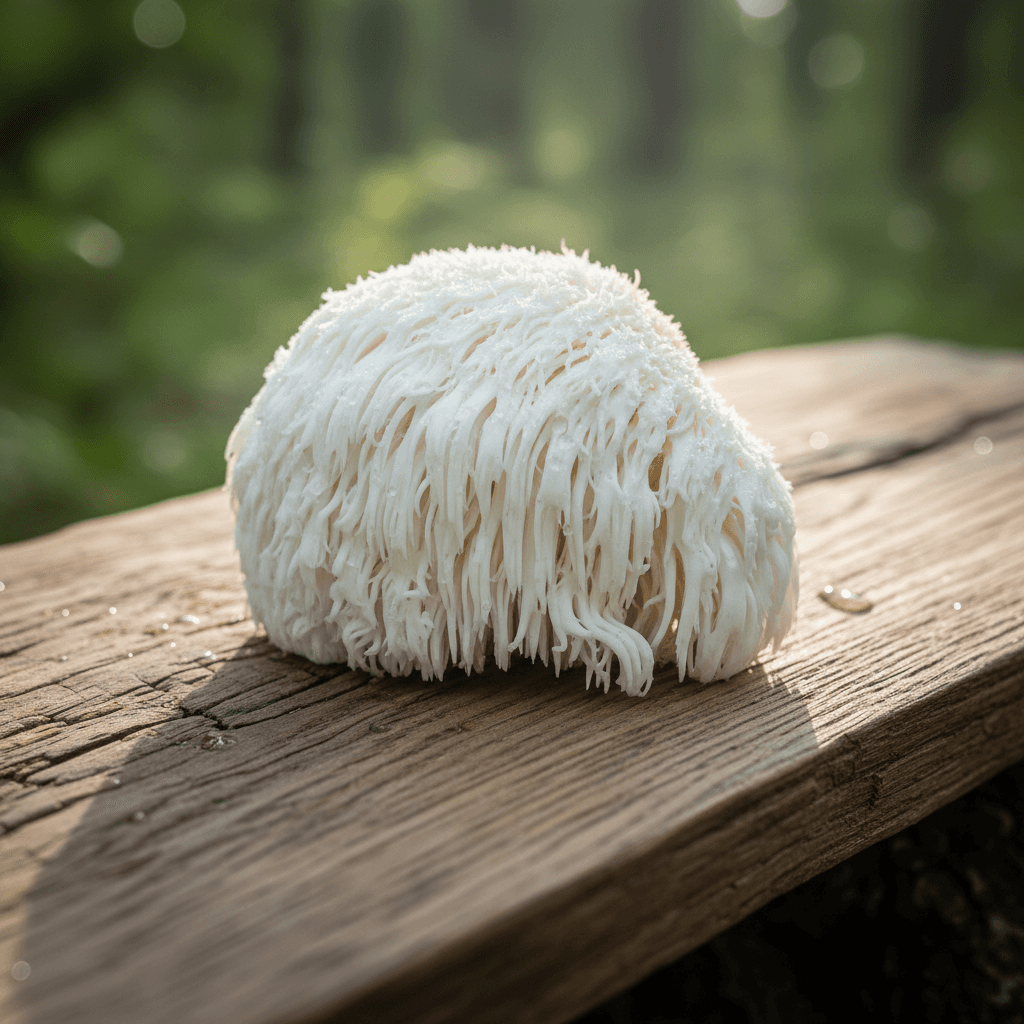
Lion's Mane
Status: Insufficient data for pregnancy/breastfeeding
Theoretical concerns:
- Effects on nerve growth factor unclear during fetal development
- No human pregnancy studies
Bottom line: Unknown safety; most experts advise avoidance
Reishi
Status: Generally advised to avoid during pregnancy
Specific concerns:
- May have blood-thinning properties (concerning near delivery)
- Has been used traditionally to induce labor in some cultures
- May affect hormone levels
Bottom line: Most healthcare providers recommend avoiding, especially in third trimester
Chaga
Status: Insufficient data
Specific concerns:
- May lower blood sugar (could interact with gestational diabetes management)
- High in oxalates (theoretical kidney concern)
- Blood-thinning properties
Bottom line: Unknown safety; caution advised
Cordyceps
Status: Insufficient data
Specific concerns:
- Effects on hormones unclear
- May stimulate immune system
- No pregnancy studies
Bottom line: Unknown safety; caution advised
Turkey Tail
Status: Limited data, some positive
What we know:
- Some studies in cancer patients during treatment (not pregnancy)
- Generally well-tolerated
Bottom line: Still insufficient pregnancy-specific data; caution advised
What Healthcare Providers Generally Recommend
Most OBGYNs and midwives suggest:
During Pregnancy
Conservative approach (most common):
- Avoid functional mushrooms entirely
- Switch to regular decaf or limited regular coffee
- Resume mushroom coffee after pregnancy and nursing
Moderate approach (some providers):
- May allow occasional consumption
- Especially if used before pregnancy without issues
- Usually recommends avoiding in first trimester
During Breastfeeding
Similar caution:
- Many providers extend the same advice through nursing
- Unknown whether mushroom compounds pass into breast milk
- Some are more lenient during breastfeeding than pregnancy
Alternatives During Pregnancy and Breastfeeding

If you miss your morning ritual, consider these alternatives:
Regular Coffee (Limited)
- Stick to 1-2 cups daily (under 200mg caffeine)
- Provides familiar routine without unknown mushroom compounds
- Well-studied during pregnancy
Decaf Coffee
- Minimal caffeine (2-15mg per cup)
- Safe for most pregnant and nursing women
- Can add adaptogens back after pregnancy
Herbal Teas (Pregnancy-Safe)
Not all herbal teas are safe during pregnancy, but these generally are:
- Ginger tea (helps with nausea)
- Peppermint tea (second/third trimester)
- Rooibos tea (caffeine-free, antioxidant-rich)
- Lemon balm tea (calming)
Avoid: Some herbal teas like chamomile, hibiscus, and licorice root in large amounts.
Hot Cacao
- Low caffeine (5-10mg)
- Satisfying ritual
- Contains theobromine for gentle energy
Golden Milk
- Turmeric-based warm beverage
- No caffeine
- Generally considered safe in culinary amounts
If You Choose to Continue
If you and your healthcare provider decide the potential benefits outweigh the unknown risks:
Harm Reduction Strategies
- Limit to small amounts (perhaps half servings)
- Choose single-mushroom products (easier to track what you're consuming)
- Avoid in first trimester (most critical development period)
- Buy from reputable sources (quality and purity matter more than ever)
- Monitor for any symptoms (digestive changes, unusual effects)
- Inform your healthcare provider (they need complete information)
Red Flags to Stop Immediately
- Any unusual bleeding
- Contractions (before due date)
- Allergic reactions
- Severe digestive upset
- Any concerning symptoms
Frequently Asked Questions
I drank mushroom coffee before I knew I was pregnant. Should I worry?
Try not to stress. A few cups of mushroom coffee are unlikely to cause harm. The lack of safety data means we can't guarantee safety, but there's also no evidence of harm at normal consumption levels. Discontinue going forward and mention it to your healthcare provider for peace of mind.
Can I take functional mushroom supplements instead of mushroom coffee?
The same concerns apply—possibly even more so, since supplements often contain higher concentrations. The caffeine in mushroom coffee is actually the more studied component.
When can I safely resume mushroom coffee?
Most providers suggest waiting until you've finished breastfeeding. Some are comfortable with resumption after the first few months of nursing. Discuss with your healthcare provider.
Are culinary mushrooms (portobello, shiitake) safe during pregnancy?
Yes, cooked culinary mushrooms are generally safe and even recommended as a nutritious food during pregnancy. The concern is specifically about concentrated functional mushroom extracts.
Is one sip harmful?
A single sip or occasional taste is extremely unlikely to cause any issues. The concern is about regular, ongoing consumption.
The Bottom Line
The honest truth is that we don't have enough research to definitively say whether mushroom coffee is safe during pregnancy and breastfeeding. In the absence of clear evidence, the precautionary principle applies: when safety is uncertain and you're responsible for another life, caution is warranted.
Our recommendation:
- Discuss with your healthcare provider
- Consider avoiding functional mushrooms during pregnancy and breastfeeding
- Know that this is temporary—you can resume after nursing
- Focus on what we know is safe
Your mushroom coffee will be waiting for you when the time is right. For now, your baby's safety takes priority.
Related Reading: