Nicole DiPietro
Co-Founder & Master Blender
Mushroom Coffee for Anxiety: Can It Actually Help You Feel Calmer?
If you've ever experienced coffee-induced anxiety—the racing heart, the jitters, the inability to sit still—you know how frustrating it can be. You need the energy, but the side effects make you wonder if it's worth it.
Mushroom coffee has emerged as a potential solution for anxiety-prone coffee lovers. But does it actually help, or is it just marketing hype?
This guide explores the science behind mushroom coffee and anxiety, which ingredients matter most, and whether making the switch could help you feel calmer.
The Coffee-Anxiety Connection
First, let's understand why regular coffee causes anxiety in many people:
How Caffeine Triggers Anxiety
Adenosine Blocking
Caffeine blocks adenosine receptors—adenosine is the neurotransmitter that makes you feel sleepy and relaxed. When it can't bind to its receptors, you feel more alert, but also potentially more anxious.
Cortisol Spike
Coffee increases cortisol, your body's stress hormone. For people already dealing with chronic stress, this additional cortisol can push anxiety over the edge.
Adrenaline Release
Caffeine triggers adrenaline release, activating your fight-or-flight response. This is great for alertness but can feel like panic for sensitive individuals.
Individual Variation
Genetics play a huge role. Some people metabolize caffeine quickly (fast metabolizers) and tolerate it well. Others are slow metabolizers and experience prolonged, amplified effects—including anxiety.
Who's Most Affected?

- People with anxiety disorders
- Those sensitive to stimulants
- Slow caffeine metabolizers
- People under chronic stress
- Those who drink coffee on an empty stomach
How Mushroom Coffee May Help

Mushroom coffee addresses the anxiety issue through multiple mechanisms:
1. Lower Caffeine Content
Most mushroom coffees contain 50-80mg of caffeine per serving, compared to 95-200mg in regular coffee. This simple reduction often makes a significant difference:
- Less cortisol stimulation
- Reduced adrenaline response
- Gentler effect on adenosine receptors
- Lower risk of over-stimulation
For many people, this alone solves the problem—they still get enough caffeine for alertness without crossing into anxiety territory.
2. Adaptogenic Mushrooms
The functional mushrooms in mushroom coffee are adaptogens—compounds that help your body respond to stress more effectively. Rather than masking stress or forcing relaxation, adaptogens help regulate your stress-response systems.
Reishi: The Calming Mushroom
Reishi is often called the "mushroom of immortality" and has been used for stress relief for centuries. Research suggests Reishi may:
- Support GABA activity (the calming neurotransmitter)
- Help regulate the HPA axis (your stress response system)
- Reduce cortisol levels over time
- Promote better sleep quality
Lion's Mane: Mood Support
While Lion's Mane is primarily known for cognitive benefits, research shows it may also support mood. One study found that participants taking Lion's Mane reported reduced anxiety and depression symptoms after 4 weeks.
Chaga: Stress Resilience
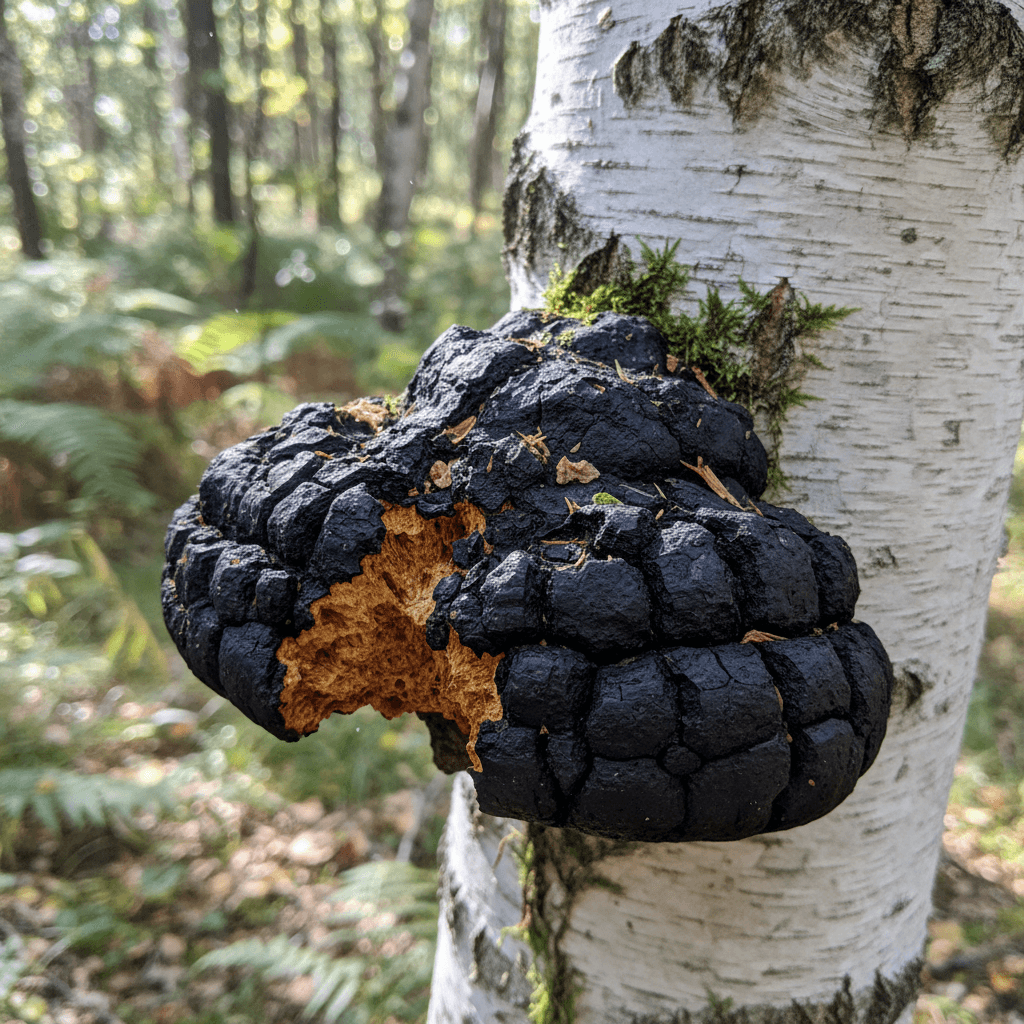
Chaga's powerful antioxidant properties may help protect against stress-induced oxidative damage, supporting overall resilience.
3. L-Theanine (In Some Blends)
Many mushroom coffee products include L-theanine, an amino acid found naturally in tea. L-theanine:
- Promotes alpha brain waves (associated with calm alertness)
- Increases GABA, serotonin, and dopamine
- Directly counteracts caffeine's anxiety-inducing effects
- Creates "focused calm" rather than wired alertness
Studies show that L-theanine combined with caffeine improves focus while reducing anxiety—the best of both worlds.
What the Research Says
On Reishi and Anxiety
A randomized, double-blind, placebo-controlled study found that Reishi supplementation for 8 weeks significantly reduced fatigue and improved well-being in participants, with secondary improvements in anxiety measures.
Another study on neurasthenia (a condition involving fatigue, headaches, and irritability) found that Reishi extract significantly reduced symptoms compared to placebo.
On Lion's Mane and Mood
A 4-week study found that participants taking Lion's Mane cookies reported lower levels of anxiety and depression compared to the placebo group. The researchers attributed this to Lion's Mane's effects on nerve growth factor and neurogenesis.
On Lower Caffeine and Anxiety
Multiple studies confirm the obvious: reducing caffeine intake reduces anxiety symptoms in sensitive individuals. The question is whether you can reduce caffeine enough to prevent anxiety while maintaining the alertness benefits—and mushroom coffee's adaptogenic support may help bridge that gap.
Important Caveats
- Most research is on individual mushrooms, not mushroom coffee specifically
- Studies vary in quality and sample size
- Individual responses differ significantly
- Adaptogenic effects take time to build (2-4 weeks typically)
Who Should Try Mushroom Coffee for Anxiety?
Mushroom coffee may be worth trying if you:
Experience coffee-induced anxiety:
- Jitters after your morning cup
- Racing heart or palpitations
- Difficulty sitting still
- Feeling "wired but tired"
- Anxiety that worsens with coffee consumption
Want caffeine but in a gentler form:
- Need alertness for work or focus
- Don't want to give up coffee entirely
- Have tried reducing intake but still feel anxious
Are interested in adaptogenic support:
- Deal with chronic stress
- Want long-term stress resilience
- Are open to functional foods/supplements
Who Should NOT Rely on Mushroom Coffee for Anxiety
Mushroom coffee is not a treatment for:
- Clinical anxiety disorders: If you have diagnosed anxiety, work with a healthcare provider. Mushroom coffee may complement treatment but shouldn't replace it.
- Panic disorder: If you experience panic attacks, the caffeine in mushroom coffee may still be problematic.
- Severe caffeine sensitivity: Some people need to avoid caffeine entirely—even 50mg may be too much.
How to Make the Switch
Week 1: Transition Gradually
If you're used to regular coffee, don't switch cold turkey—you may experience caffeine withdrawal. Start by replacing one cup of regular coffee with mushroom coffee.
Weeks 2-3: Monitor Your Response
Pay attention to:
- Energy levels throughout the day
- Anxiety symptoms (or lack thereof)
- Sleep quality
- Overall mood
Keep a simple journal if helpful.
Week 4+: Adjust as Needed
- If still anxious, try a blend with Reishi or added L-theanine
- If not alert enough, you can add back small amounts of regular coffee
- Consider timing—avoiding coffee late in the day improves sleep, which reduces anxiety
Optimize Your Approach
Choose the Right Blend
For anxiety, prioritize mushroom coffees containing:
- Reishi (most important for calming effects)
- Lion's Mane (mood support)
- L-theanine (anxiety reduction)
- Lower caffeine content
Time It Right
- Don't drink on an empty stomach (increases anxiety risk)
- Follow the 90-minute rule if possible
- Avoid afternoon consumption to protect sleep
Be Consistent
Adaptogenic benefits build over time. Give it at least 4 weeks of consistent use before deciding if it works for you.
Frequently Asked Questions
Will mushroom coffee completely eliminate my coffee anxiety?
It depends on your sensitivity. For many people, the combination of lower caffeine and adaptogenic support significantly reduces or eliminates anxiety. For others with extreme sensitivity, any caffeine may still cause issues.
How long until I notice a difference?
The caffeine reduction effect is immediate. Adaptogenic effects typically take 2-4 weeks of consistent use to become noticeable.
Can I add L-theanine to regular coffee instead?
Yes, supplementing with 100-200mg of L-theanine can help reduce coffee-induced anxiety. However, you'll miss the adaptogenic benefits of the functional mushrooms.
Is decaf mushroom coffee available?
Some brands offer decaf or caffeine-free mushroom coffee alternatives, using roasted mushrooms or chicory as a base instead of coffee beans.
Can I take anxiety medication with mushroom coffee?
Consult your healthcare provider. While mushroom coffee is generally safe, the caffeine and adaptogenic compounds could potentially interact with certain medications.
The Bottom Line
For many anxiety-prone coffee lovers, mushroom coffee offers a genuine solution: enough caffeine for alertness, adaptogenic mushrooms for stress support, and a gentler overall experience that doesn't trigger the jitters and racing thoughts.
It's not magic—you won't feel zen after your first cup. But with consistent use, the combination of reduced caffeine and adaptogenic support can meaningfully shift your relationship with your morning coffee from anxiety-inducing to genuinely enjoyable.
The best part? You don't have to give up coffee entirely. You just have to be smarter about which coffee you choose.
Related Reading: