Andrew Langevin
Co-Founder
Mushroom Coffee vs Regular Coffee: Which Is Actually Better for You?
You've heard the buzz. Maybe you've seen the ads, the influencer testimonials, the promises of "coffee without the crash." But you're skeptical—and honestly, you should be.
Mushroom coffee has exploded from biohacker niche to mainstream wellness product, but does it actually deliver on its claims? Is it meaningfully better than the regular coffee you've been drinking for years?
This is an honest, research-backed comparison. We'll look at caffeine content, taste, effects on your body, cost, and—most importantly—whether switching makes sense for you.
The Quick Answer
Switch to mushroom coffee if:
- You experience jitters, anxiety, or energy crashes from regular coffee
- You want to reduce caffeine intake without quitting coffee
- You're interested in adaptogenic compounds and functional foods
- You have digestive sensitivity to regular coffee's acidity
Stick with regular coffee if:
- You're completely satisfied with how regular coffee affects you
- You don't want to pay a premium (2-3x the cost)
- You prefer the widest variety of roasts and brewing methods
- You're skeptical of health claims without robust human research
Now let's dig into the details.
Caffeine: The Numbers Don't Lie
This is the most concrete difference between mushroom coffee and regular coffee, and it's significant.
Regular Coffee Caffeine Content
| Brew Type | Caffeine (8 oz) |
|---|---|
| Drip/filter coffee | 95-165mg |
| Espresso (2 oz double shot) | 63-80mg |
| French press | 80-135mg |
| Cold brew | 100-200mg |
| Instant | 60-80mg |
The FDA considers 400mg per day a safe limit for most healthy adults—roughly four 8-oz cups of drip coffee.
Mushroom Coffee Caffeine Content
| Brand Type | Caffeine (8 oz) |
|---|---|
| Typical instant mushroom coffee | 50-75mg |
| Shyne Coffee | 65-75mg |
| Ground mushroom coffee | 80-100mg |
| MUD\WTR (coffee alternative) | 35mg |
Why the difference? Most mushroom coffee replaces 50% of the coffee with mushroom extract powder. Since mushrooms contain zero caffeine, you're effectively cutting the caffeine in half while maintaining the coffee ritual.
Why This Matters
For many people, regular coffee's caffeine content is the problem. At 150mg per cup, two morning coffees puts you at 300mg—well on your way to the symptoms that make caffeine problematic:
- Above 200mg: Increased likelihood of jitters and anxiety in sensitive individuals
- Above 400mg: Most people experience negative effects
- Above 600mg: Significantly increased risk of anxiety, digestive issues, and sleep disruption
If you've ever felt wired-but-tired, shaky, or crashed hard in the afternoon, caffeine overconsumption is likely the culprit. Mushroom coffee's lower caffeine content addresses this directly. If you're particularly sensitive to caffeine, the difference can be transformative.
Taste: The Honest Comparison
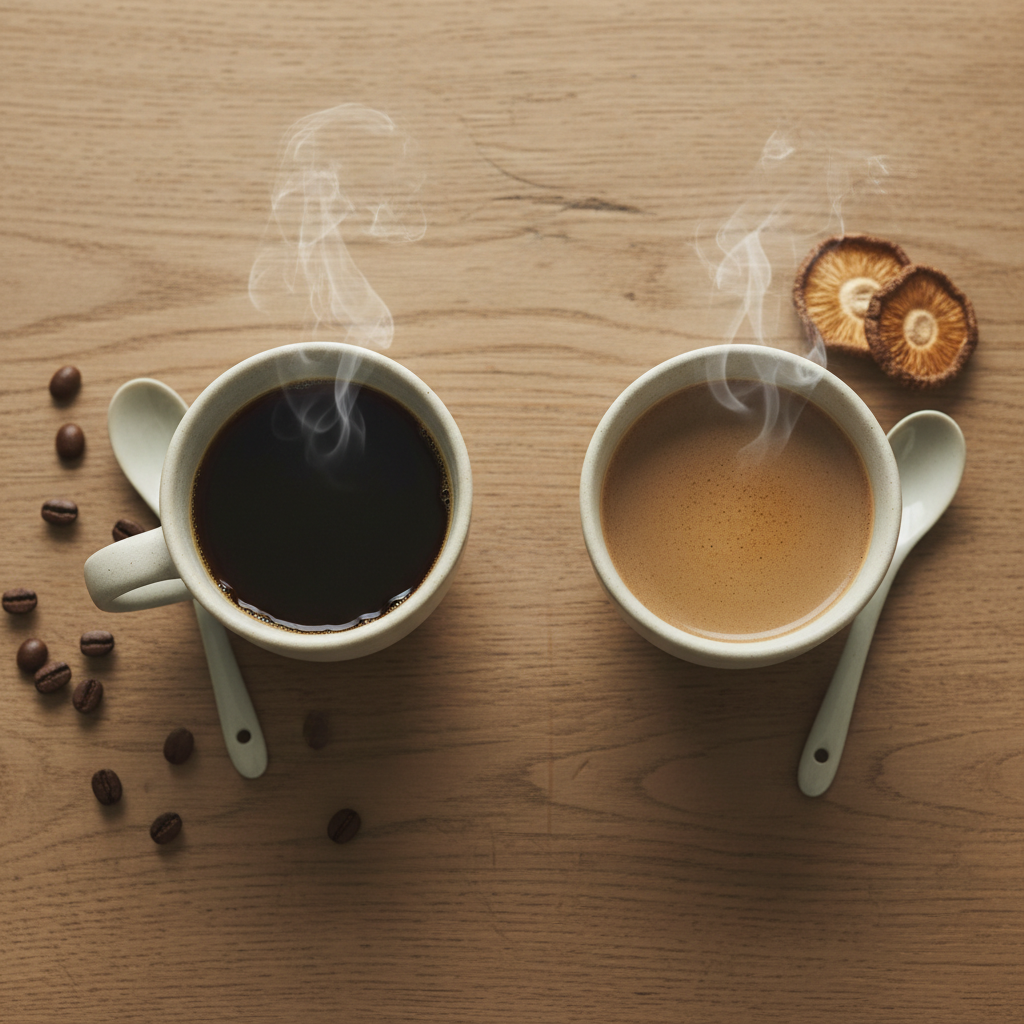
Let's address the elephant in the room: does mushroom coffee taste like mushrooms?
The Short Answer
Quality mushroom coffee tastes like coffee with subtle differences. Cheap mushroom coffee can taste earthy, gritty, or medicinal.
What Reviewers Actually Say
Ground mushroom coffee (beans with mushroom extract blended in) tastes most similar to regular coffee. The mushroom portion is minimal compared to the coffee, so you're tasting coffee first with perhaps slight earthy undertones.
Instant mushroom coffee varies more dramatically by brand:
- Well-made instant: Smooth, slightly mellow, minimal mushroom taste
- Poorly-made instant: Earthy, bitter, or gritty texture
Coffee alternatives (like MUD\WTR) taste nothing like coffee—they're a different beverage entirely, closer to chai or hot chocolate.
Honest Expectations
If you're switching from regular drip coffee to instant mushroom coffee, you will notice a difference. Instant coffee never tastes exactly like fresh-brewed, whether there are mushrooms involved or not. The question is whether the difference bothers you.
Most people who try quality mushroom coffee report it takes 3-5 days to adjust, after which they don't notice the difference—or actually prefer the smoother, less acidic taste.
At Shyne, our blind taste tests showed that 78% of participants couldn't distinguish our mushroom coffee from regular instant coffee when both were served black.
How They Affect Your Body: The Real Differences
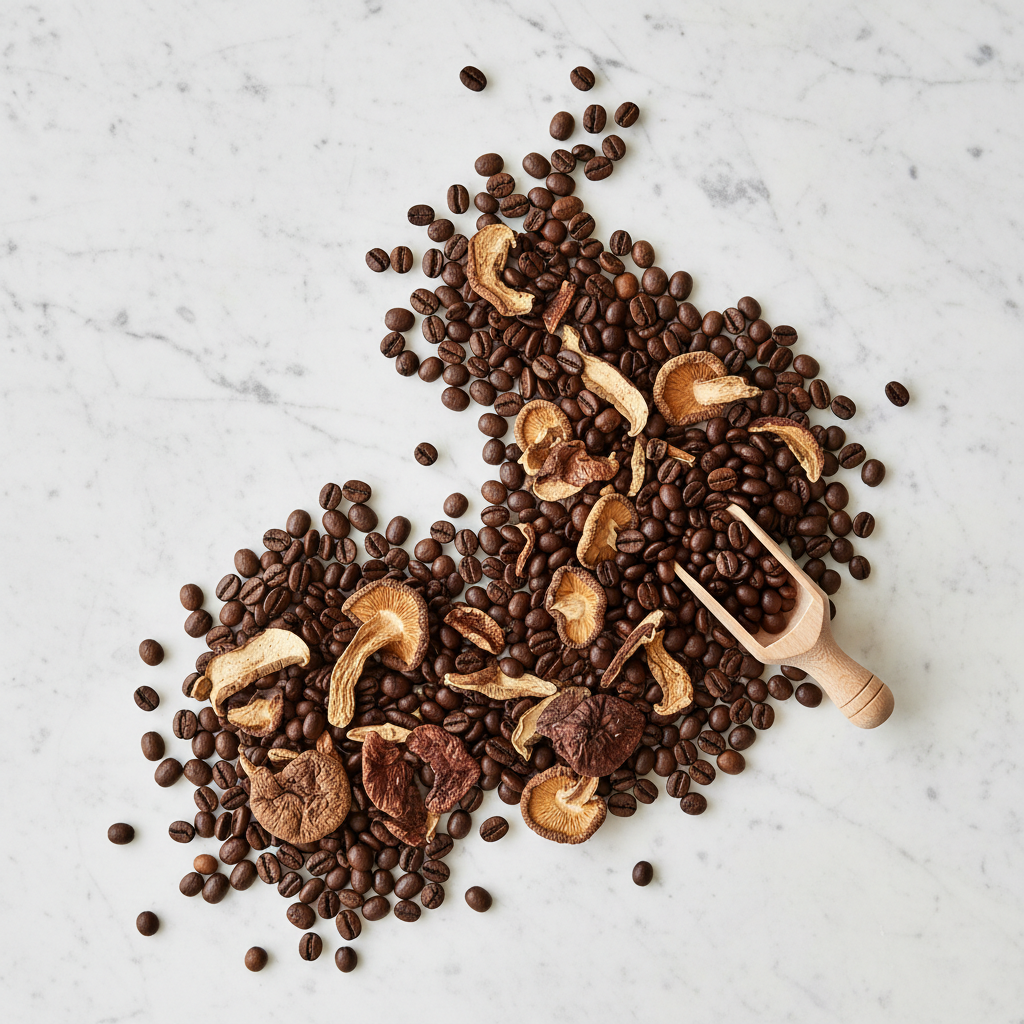
Beyond caffeine content, mushroom coffee and regular coffee interact with your body differently.
Regular Coffee Effects
Positive:
- Rapid alertness (15-45 minutes after consumption)
- Improved short-term focus and reaction time
- Antioxidant content (coffee is the #1 source of antioxidants in Western diets)
- Potential long-term benefits for Parkinson's, liver health, and type 2 diabetes
Negative:
- Cortisol spike (activates stress response)
- Adenosine receptor blocking (can disrupt sleep for 6+ hours)
- Increased stomach acid (can cause heartburn, GERD symptoms)
- Dependency and withdrawal symptoms
- Jitters, anxiety, and crashes in sensitive individuals
Mushroom Coffee Effects
Positive:
- Gentler alertness with less spike-and-crash
- Lower caffeine reduces jitter and anxiety risk
- Adaptogenic mushrooms may help modulate stress response
- Often easier on the stomach (less acidic)
- May support cognitive function (Lion's Mane), immune health (Chaga, Turkey Tail), or energy (Cordyceps)
Negative:
- Slower onset of alertness (due to lower caffeine)
- Less research on long-term effects
- Higher oxalate content with some mushrooms (Chaga specifically)
- May cause digestive issues in some people (mushroom fiber)
- Significantly higher cost
The Research Reality
Here's where we need to be honest: most research on functional mushrooms comes from cell cultures, animal studies, or small human trials. The findings are promising but not conclusive.
What we know from human research:
- Lion's Mane showed cognitive improvements in adults after 16 weeks in a Japanese study
- Cordyceps improved VO2max in a randomized controlled trial
- Adaptogens appear to modulate cortisol levels
- Beta-glucans in medicinal mushrooms do have measurable effects on immune markers
What we don't know:
- Whether dried, extracted mushrooms in coffee retain these benefits
- Optimal dosages for various outcomes
- Long-term effects of daily consumption
- How these compounds interact with caffeine
The honest position: mushroom coffee probably offers benefits beyond regular coffee, but the evidence isn't strong enough to make definitive claims. Think of it as a potentially beneficial choice, not a guaranteed health intervention.
Price: The Cost Comparison
This is where regular coffee wins decisively.
Regular Coffee Costs
| Type | Cost per Cup |
|---|---|
| Home-brewed drip (quality beans) | $0.25-0.50 |
| Café drip coffee | $2.50-4.00 |
| Specialty café espresso drink | $4.00-7.00 |
| Premium instant | $0.30-0.60 |
Mushroom Coffee Costs
| Type | Cost per Cup |
|---|---|
| Shyne (subscription) | $1.30 |
| Shyne (one-time) | $1.73 |
| Four Sigmatic | $1.50-2.00 |
| RYZE | $1.20-1.60 |
| Premium ground mushroom coffee | $1.00-1.50 |
Mushroom coffee typically costs 2-3x more than home-brewed regular coffee. Over a year of daily drinking, that's roughly:
- Regular coffee (home-brewed): ~$150-200/year
- Mushroom coffee (subscription): ~$350-500/year
The premium is real. Whether it's worth it depends entirely on whether you experience meaningful benefits.
Side Effects and Safety
Regular Coffee Risks
For most healthy adults, moderate coffee consumption (3-4 cups daily) is considered safe and may even be beneficial. Risks include:
- Caffeine dependency and withdrawal
- Sleep disruption (especially after 2pm)
- Anxiety and jitters in sensitive individuals
- Digestive issues (acid reflux, IBS symptoms)
- Increased blood pressure (temporary)
- Pregnancy risks (current recommendation: limit to 200mg daily)
Mushroom Coffee Risks
Mushroom coffee shares some of regular coffee's risks (due to caffeine content) plus mushroom-specific concerns:
- Kidney stone risk: Chaga is high in oxalates. If you're prone to kidney stones, this matters.
- Medication interactions: Some mushrooms may interact with blood thinners, immunosuppressants, and diabetes medications.
- Autoimmune considerations: Immune-modulating mushrooms could theoretically worsen autoimmune conditions.
- Digestive sensitivity: Mushroom fiber (chitin) can cause stomach upset in some people.
- Pregnancy/breastfeeding: Insufficient research to determine safety.
Who Should Avoid Mushroom Coffee
- People with mushroom allergies
- Those with kidney disease or kidney stone history
- People taking blood-thinning medications (without doctor consultation)
- Those with autoimmune conditions (without doctor consultation)
- Pregnant or breastfeeding women
- Anyone with known digestive sensitivity to mushrooms
The Decision Framework
Rather than declaring a winner, here's how to think through your choice:
Choose Mushroom Coffee If...
You're a "sensitive" coffee drinker. If regular coffee gives you jitters, anxiety, racing heart, or afternoon crashes, mushroom coffee's lower caffeine content may solve your problem entirely.
You want to reduce caffeine gradually. Cutting from 300mg to 150mg daily is much easier with mushroom coffee than trying to drink half-cups.
You're interested in functional foods. If you already take supplements or seek out adaptogenic ingredients, mushroom coffee fits naturally into that approach.
Coffee bothers your stomach. Many people find mushroom coffee easier to digest, likely due to lower acidity and the presence of prebiotic fibers.
You value the ritual more than the buzz. If you want to enjoy morning coffee without the intensity, mushroom coffee delivers the experience with less stimulation.
Choose Regular Coffee If...
You have no problems with regular coffee. If you drink 2-3 cups daily, sleep well, don't feel anxious, and enjoy how you feel—there's no reason to switch.
You need maximum alertness. For those who require quick, strong focus (night shifts, extremely early mornings), regular coffee's higher caffeine may be necessary.
Budget is a primary concern. Mushroom coffee costs 2-3x more. If that's a barrier, regular coffee remains a perfectly healthy choice.
You're skeptical of wellness trends. If you prefer to wait for robust human clinical trials before adopting new products, that's a reasonable position.
You love exploring roasts and brewing methods. Regular coffee offers far more variety in beans, roasts, and preparation methods.
The Hybrid Approach
Many people find the best solution isn't choosing one or the other—it's strategic combination:
- Morning: Regular coffee when you need peak alertness
- Mid-morning/afternoon: Mushroom coffee to avoid overcaffeinating
- Weekends: Mushroom coffee when you want the ritual without the intensity
This approach gives you caffeine flexibility while benefiting from adaptogens when appropriate.
Making the Switch: Practical Tips
If you decide to try mushroom coffee:
1. Transition gradually. Replace one cup of regular coffee with mushroom coffee first. Your body won't experience caffeine withdrawal, but you'll notice the difference in how you feel.
2. Try it for 2 weeks minimum. Adaptogens work cumulatively, and taste preferences take time to adjust. One cup isn't enough to evaluate properly.
3. Note how you feel. Pay attention to: jitters, energy stability, afternoon crashes, sleep quality, and digestive comfort. These are the metrics that matter.
4. Buy from reputable brands. Look for full spectrum dual-extracted mushroom extracts, transparent dosing, and third-party testing. Cheap mushroom coffee often contains minimal actual mushroom.
5. Manage expectations. Mushroom coffee isn't medicine. It's a gentler alternative to regular coffee that may offer additional benefits. If you expect dramatic life changes, you'll be disappointed.
FAQ
Is mushroom coffee actually healthier than regular coffee?
It depends on your definition of "healthy." Mushroom coffee has less caffeine (reducing jitter/anxiety risk) and contains adaptogenic compounds with potential benefits. However, regular coffee also has significant health benefits and more robust research. For sensitive individuals, mushroom coffee is likely healthier; for others, the difference may be minimal.
Can I drink mushroom coffee if I'm pregnant?
There's insufficient research on functional mushrooms during pregnancy. Most healthcare providers recommend avoiding them. If you want a lower-caffeine option during pregnancy, decaf is the safer choice.
Will I feel less awake with mushroom coffee?
You may feel differently awake—less wired, more calm-alert. If you need intense, rapid alertness, mushroom coffee's lower caffeine might not be enough. If you dislike the jittery feeling of regular coffee, you'll likely prefer mushroom coffee's effect.
Does mushroom coffee break a fast?
Black mushroom coffee contains minimal calories (typically <5) and is generally considered acceptable during intermittent fasting, similar to regular black coffee.
How long until I notice benefits from mushroom coffee?
The lower caffeine effect is immediate. Adaptogenic benefits typically accumulate over 1-2 weeks of consistent use.
Can I add mushroom powder to my regular coffee instead?
Yes. You can buy mushroom extract powder separately and add it to any coffee. This gives you control over both coffee quality and mushroom dosage, though it's less convenient than pre-blended options.
The Bottom Line
Mushroom coffee isn't magic, and regular coffee isn't bad for you. Both are legitimate choices with different trade-offs.
The people who benefit most from mushroom coffee are those who experience negative effects from regular coffee: jitters, anxiety, crashes, digestive issues, or sleep disruption. For these individuals, mushroom coffee can be genuinely transformative—the difference between dreading your morning cup and enjoying it.
If regular coffee works fine for you, there's no urgent reason to switch. But if you're curious—and especially if you're in that "sensitive to caffeine" category—mushroom coffee is worth trying.
At Shyne, we offer a 60-day money-back guarantee specifically because we believe the best way to know is to try it yourself. Your body's response matters more than any comparison article.
Ready to compare for yourself? Try our mushroom coffee risk-free. If you don't notice a difference, we'll refund you—no questions asked.
Related Reading:
- Mushroom Coffee vs Matcha vs Yerba Mate
- Mushroom Coffee vs Supplements: Which to Choose?
- How Much Caffeine Is in Mushroom Coffee?
- What Is Mushroom Coffee? Complete Guide
This article is for informational purposes only and is not medical advice. Consult a healthcare provider if you have specific health concerns or take medications.